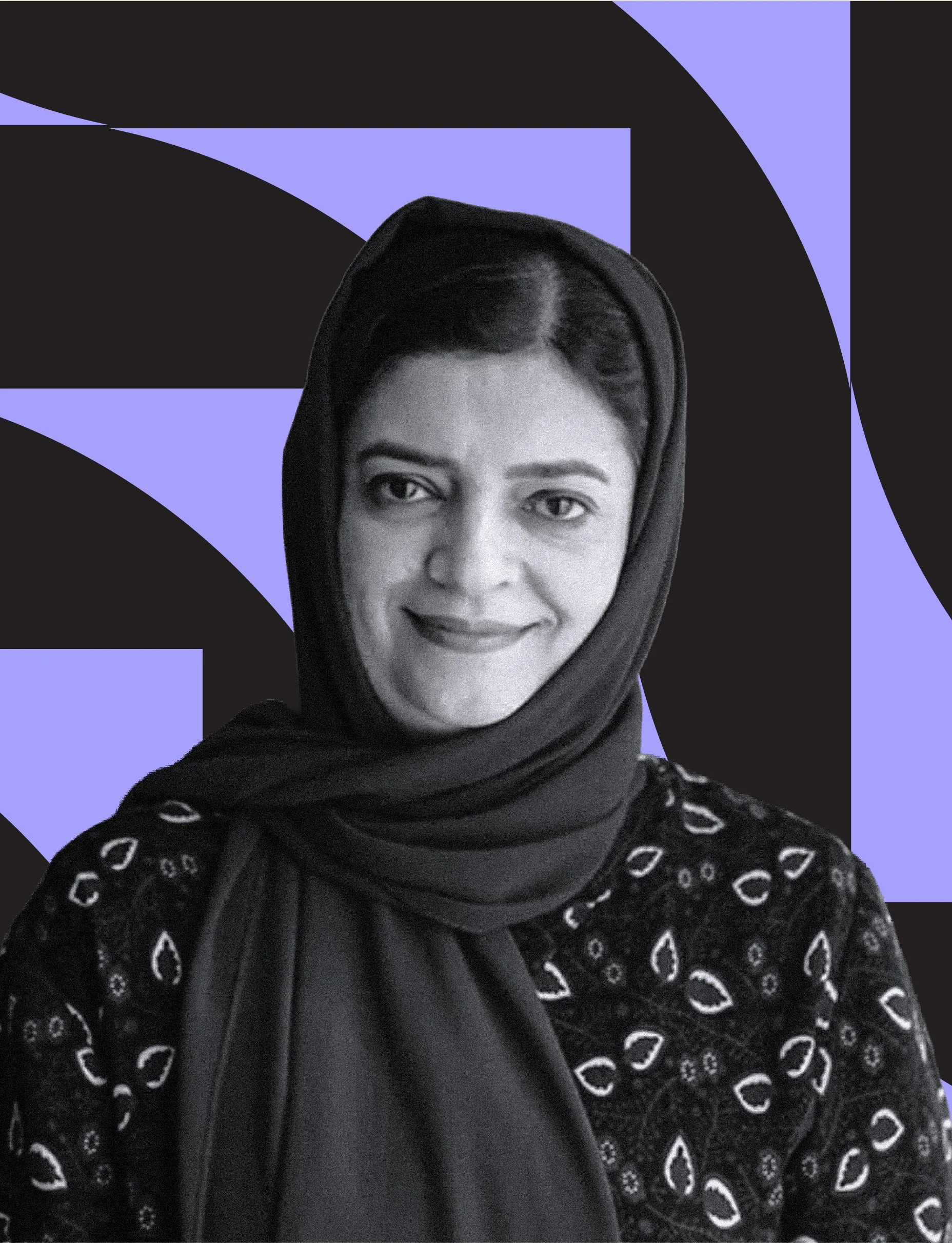
Zarqa yaftali
Founder and Chairperson, Women and Children Research and Advocacy Network
THE ADVOCATE AWARD
Raising awareness and urgency to drive support for an issue, and fearlessly activating all the levers for change
Areas of focus: Women & girls / Advocacy About
Women and Children Research and Advocacy Network (WCRAN)
Established in Canada in 2023, the Women and Children Research and Advocacy Network (WCRAN) advances the rights and well-being of women and children through research, evidence-based advocacy, education, international advocacy and engagement, and support for women-led organizations, with a particular focus on the women and girls of Afghanistan. A central part of WCRAN’s advocacy is engaging policymakers, governments, international institutions, and civil society to strengthen accountability for violations against women and girls, and to advance the recognition and codification of gender apartheid in international law.
Learn moreget to know zarqa
What inspired you to do this work? Was there a particular moment or person or incident that sparked a new level of commitment?
My commitment to this work comes first from my own lived experience.
I was one of the girls deprived of her most fundamental rights under the first Taliban regime. At just 13 years old, I was forced out of formal education. I was fortunate that my mother established a secret school, where I was able to continue learning despite the restrictions imposed on girls.
At a very young age, I also witnessed serious violations against women during the Taliban’s first rule in Afghanistan. I saw women subjected to violence and public punishment for what the Taliban considered violations of their imposed dress codes, including simply having parts of their hands or feet visible.
I also watched girls from my own generation, including some of my classmates, being pushed into early marriage after losing access to education and seeing their opportunities disappear.
Those experiences shaped my life. Long before I became a women’s rights advocate, they taught me that denying a girl an education is not simply closing a classroom door. It can change the entire course of her life. It can take away her independence, opportunities, choices, and ability to determine her own future.
What drives you to keep questioning the status quo and building new ways to overcome tough challenges?
What sustains me is the extraordinary courage and determination of the women and girls of Afghanistan.
Despite decades of conflict, discrimination, and systematic restrictions on their rights, they have refused to give up. Even when almost every door has been closed to them, they continue to find new ways forward.
Girls continue their education online and through alternative and underground learning opportunities. Women continue to work where they can, support their families, advocate for their rights, document violations, organize within their communities, and stand in solidarity with one another.
Their determination reminds me that resistance does not always take place in public. Sometimes resistance is a girl opening her computer to continue studying when she is forbidden from entering a classroom. Sometimes it is a woman refusing to stop working, learning, speaking, or imagining a different future.
Their courage strengthens my own determination to continue this work.
What solutions are you working on that make you excited and hopeful for the future?
What gives me the greatest hope is the new generation of Afghanistan.
I am in close contact with young people, particularly young women, both inside Afghanistan and in the diaspora. I see their determination, their knowledge, their courage, and their desire to build a different future for their country.
I strongly believe that this generation can be a generation of change-makers and that they will play a leading role in shaping the future of Afghanistan.
Despite everything that has happened, women and girls have not stopped believing in a different future. I see hope in every girl who continues her education despite closed school doors. I see it in every young woman who refuses to allow discrimination to define her future. I see it in every woman who continues to raise her voice and in every person who stands in solidarity with them.
My own journey—from being a 13-year-old girl studying in a secret school under the first Taliban regime to advocating internationally for the rights of women and girls today—has taught me something very important:
Even under the most difficult circumstances, education keeps hope alive, courage creates resistance, and collective action makes change possible.
That is what continues to give me hope, and that is why I continue this work.
What are the "unlocks" — approaches, practices, or principles — that have helped you be effective in building this innovative approach to place-based opportunity development?
WCRAN has conducted important research on the situation of women and girls in Afghanistan and has organized more than 25 advocacy initiatives and high-level dialogues. These have included engagement with the United Nations, the UN Security Council, the Human Rights Council, policymakers, international organizations, and civil society.
WCRAN is also developing the Kabul Online School to provide a pathway to secondary education for girls who have been denied access to formal schooling.
Through research, advocacy, education, and international engagement, WCRAN works to ensure that the voices and experiences of Afghanistan women and girls are represented in the international decisions that affect their lives and future.
Expert advisor
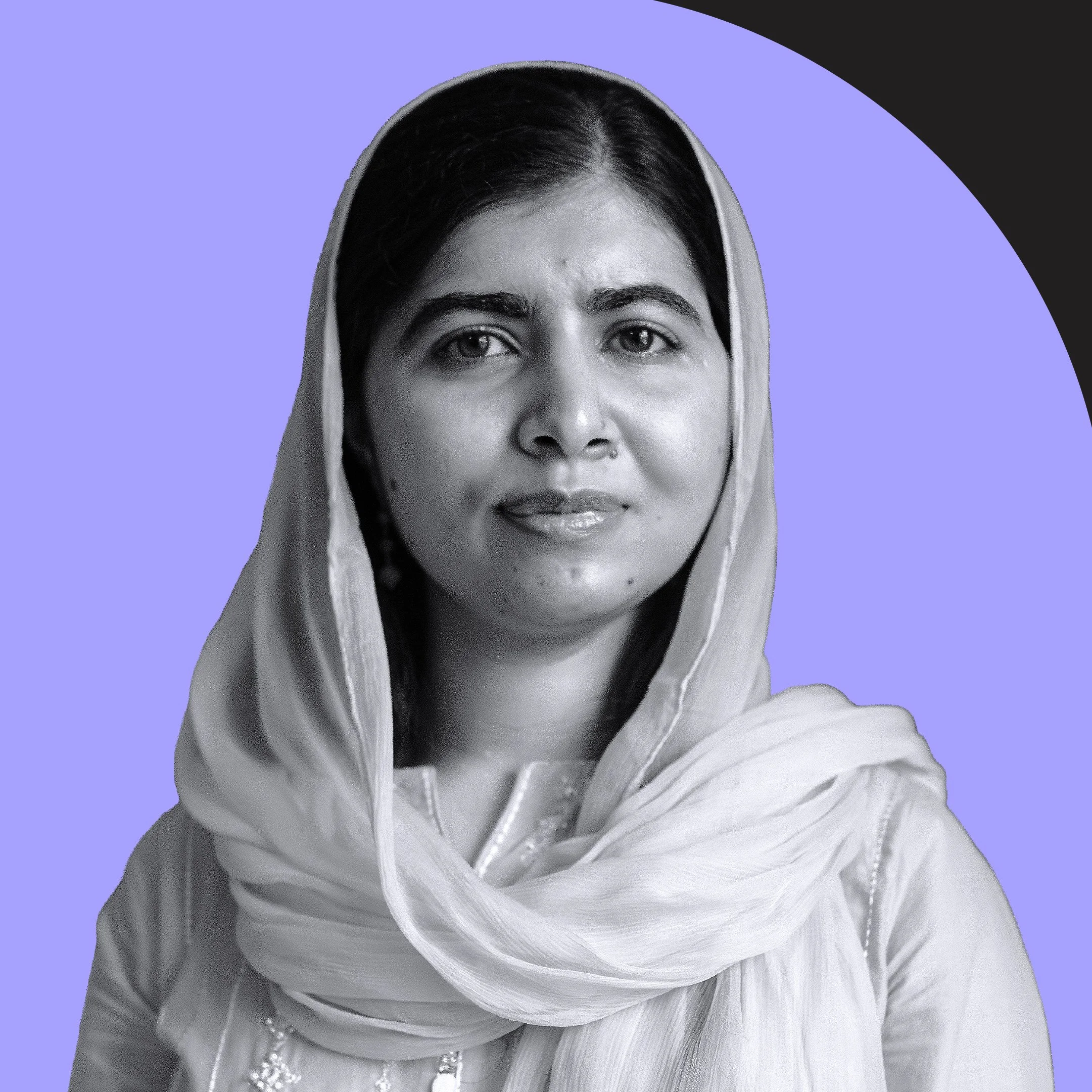
Malala Yousafzai
Female Education Activist, Nobel Peace Prize Laureate, Producer
Zarqa combines legal reform, research, survivor-centred advocacy and coalition-building to challenge the structures denying Afghan women and girls their rights. Her work has helped shape legal protections in Afghanistan, and she is now bringing together Afghan and international advocates to advance recognition of gender apartheid in international law.
“

more awardees
-
![Black-and-white portrait of a smiling man with glasses, wearing a white shirt, against a yellow and black geometric background.]()
THE INVENTOR
Ken Ikeda
CEO, CAST (Community Arts Stabilization Trust) -
![A man in a suit and tie speaking, with a background featuring a red and black graphic design.]()
THE SUSTAINER
Artis Stevens
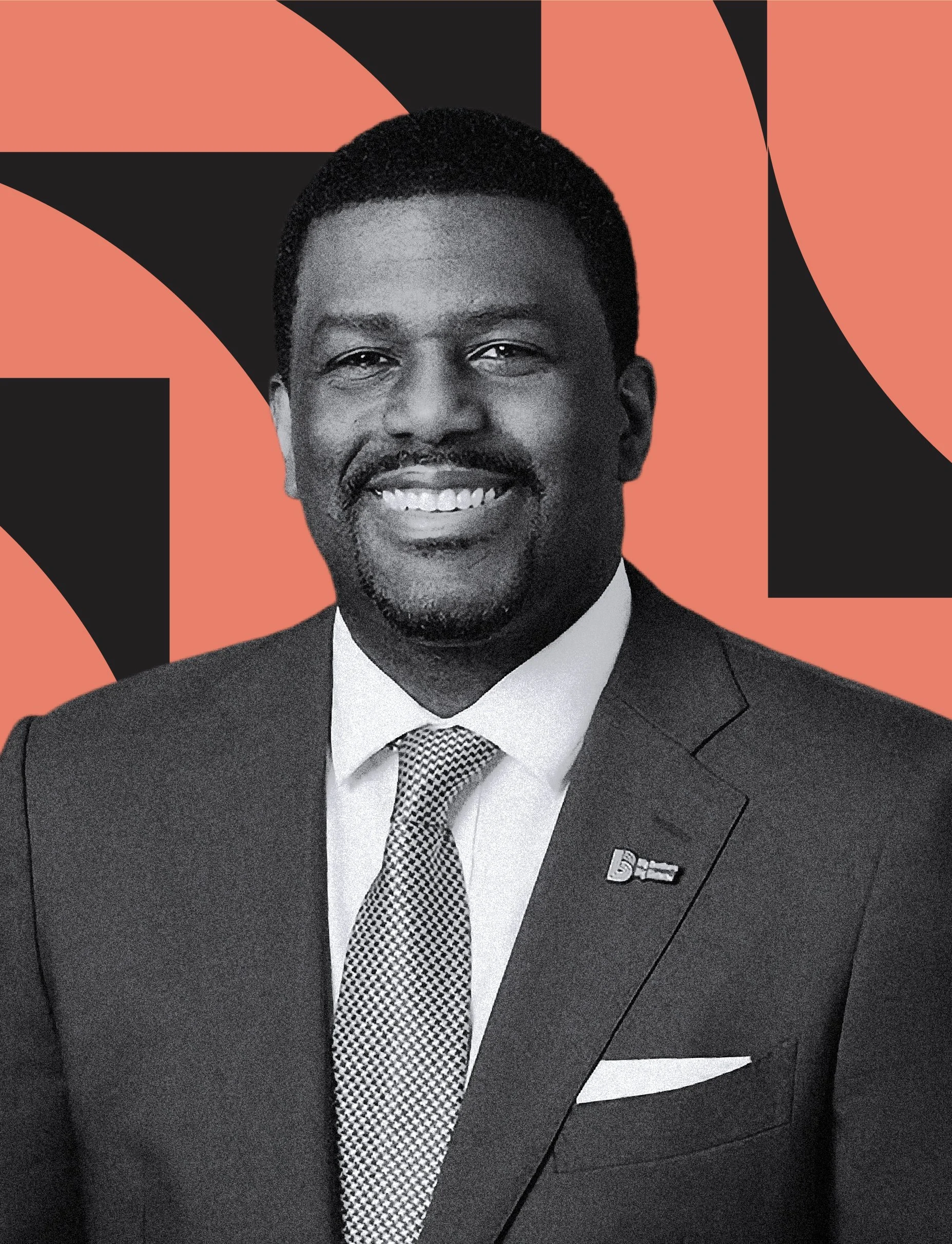
CEO, Big Brothers Big Sisters of America -
![A woman wearing a hijab and a black sweater with a white pattern stands against a geometric background of black and purple shapes.]()
THE ADVOCATE
Zarqa Yaftali
Founder and Chairperson, Women and Children Research and Advocacy Network -
![Black and white photos of two women smiling, set against a black background with a large gold cross behind them.]()
THE INNOVATOR
Sarah Alexander & Olivia Rosenthal
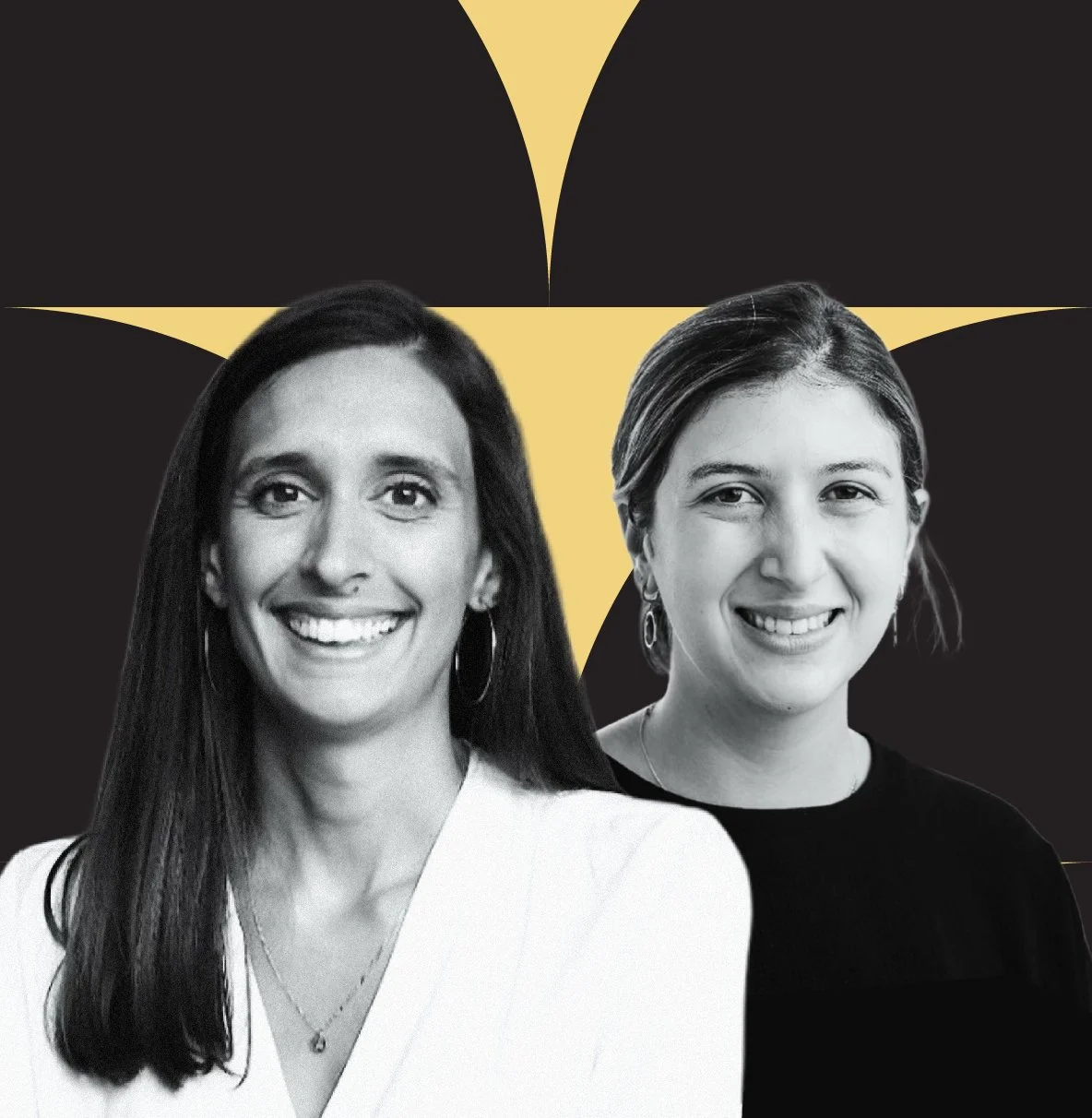
Co-Founders and Co-CEOs, Patch Caregiving -
![Close-up of a woman and a man smiling, black-and-white photos blended with a red and black geometric background.]()
THE CATALYST
Catherine Casey Nanda & Amon Anderson
Co-Founders and Managing Partners, Acumen America -
![Black man with dreadlocks and a beard, wearing a black sweater and a collared shirt, in front of a blue and black geometric patterned background.]()
The builder
Adair Mosley
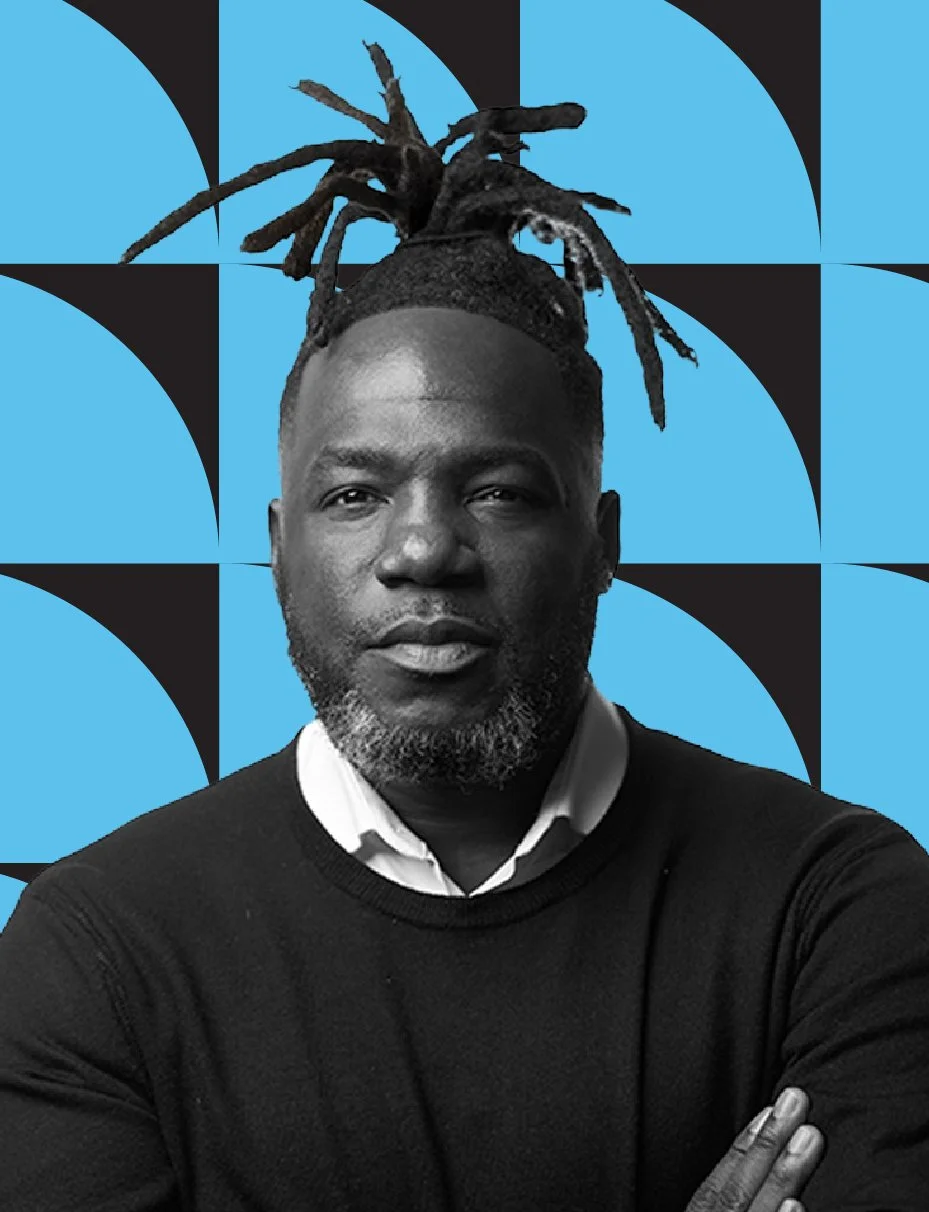
CEO, GroundBreak Coalition -
![A woman with shoulder-length wavy hair, smiling, wearing a blazer and a necklace, against a geometric yellow and black background.]()
The mobilizer
Alexa Arnold
CEO & Co-Founder, The TAG Movement -
![A black-and-white portrait of a smiling man wearing glasses and a light-colored, textured sweater, set against a geometric background in purple and black.]()
The integrator
Sixto Cancel
Founder and CEO, Think of Us -
![Black and white portrait of a smiling woman with dark hair, wearing a blazer and white top, against a geometric coral and black patterned background.]()
The architect
Jennifer Blatz
CEO, StriveTogether -
![Black and white photo of a woman speaking at a conference or event, wearing a blazer and a t-shirt with partially visible text, with a graphic background featuring blue and black geometric shapes.]()
The storyteller
Vanessa Renae
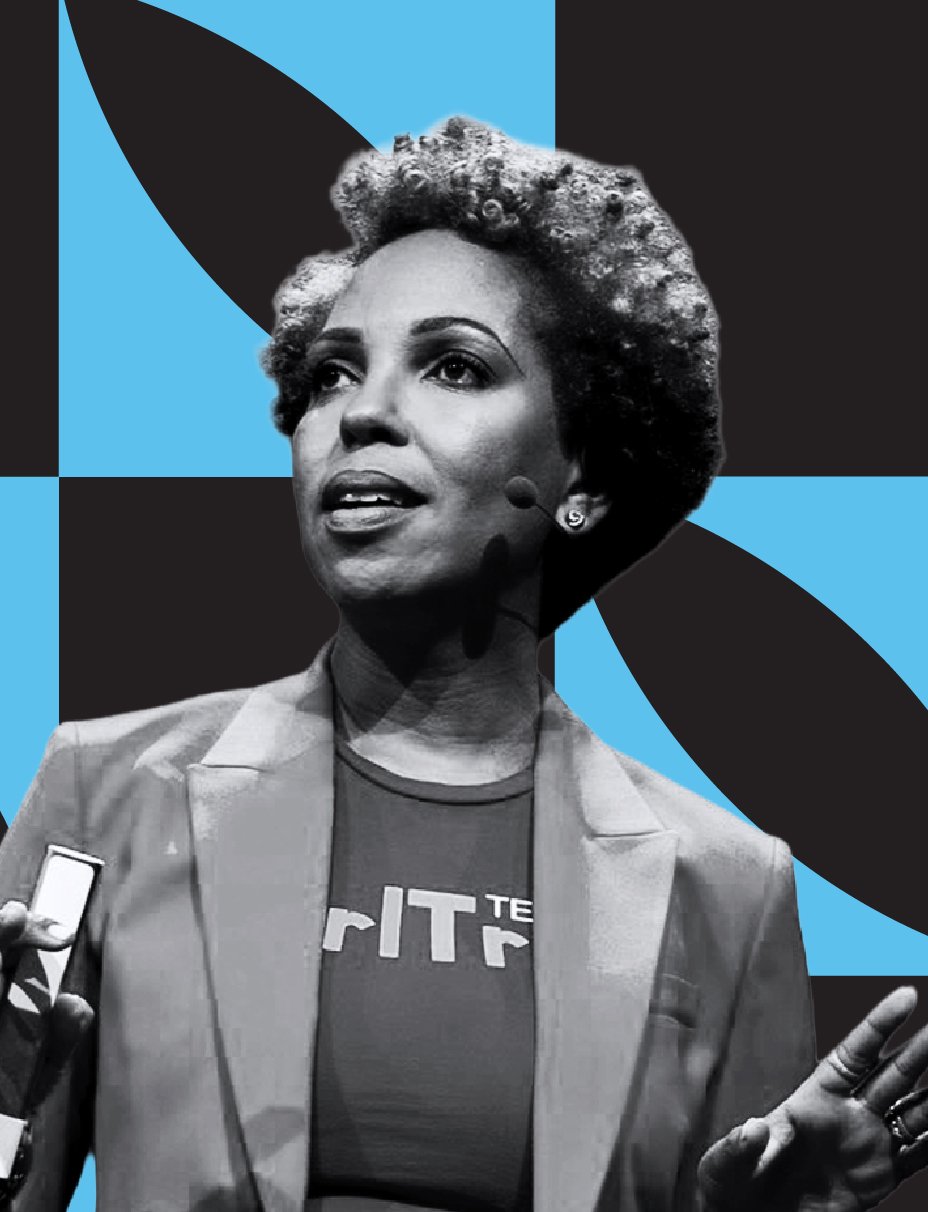
Co-Founder and President, GirlTREK