
Alexa arnold
CEO and Co-Founder, The TAG Movement
THE MOBILIZER AWARD
Growing a movement – shifting public will, activating new constituencies, and channeling collective energy toward bold solutions
Area of focus: Youth DevelopmentThe TAG Movement is working to build a world where kids can be kids. TAG grew out of the ideas and research behind Jonathan Haidt’s landmark 2024 book, The Anxious Generation, and today turns research into action to protect modern childhood from modern distractions, including smartphones, social media, AI, and the loss of independence and free play. Working alongside millions of parents, educators, young people, and policymakers, TAG is focused on giving kids more of what they need to flourish: play, independence, real-world connection, and room to just be kids.
Learn moreAbout
the tag movement
get to know alexa
What inspired you to do this work? Was there a particular moment or person or incident that sparked a new level of commitment?
In high school, I had a debilitating eating disorder. At the time, it felt like a private failure, and it took years to see it as a symptom of a system – diet culture, food marketing – that was built to make kids feel broken so that it could sell them a fix. This led me to a nearly 20-year career in organizing for systems change in public health, agriculture, and mental health.
Today, we’re seeing a similar pattern play out with social media and AI: predatory technology that traps young people in a cycle of always needing to keep up, to be something other than themselves, and steals their attention, time, and mental health.
Now I have two young kids of my own, and I recognize the pattern from both sides, once as the teenager it was done to, and now as the mother watching the same machinery aim at her own kids.
What drives you to keep questioning the status quo and building new ways to overcome tough challenges?
Some days the scale of what we're up against — algorithms with more money and more data than most governments, a decade of norms already baked into how kids grow up — genuinely does feel insurmountable.
But what drives me is the vision of what’s possible if we get this right.
Since The Anxious Generation was published, something has happened that no single organization planned or could have planned: young people, parents, policymakers, and educators jumped into action.
That's what tells me we will get this right: not one big win from the top, but thousands of small, local ones compounding into something much more durable. This is how culture changes.
What solutions are you working on that make you excited and hopeful for the future?
Seeing state legislative leaders pass policies that hold tech accountable gives me tremendous hope for the future – from phone-free schools to age-appropriate design code to childhood independence laws. Our team is releasing a new agenda for the many ways states can take action on these issues through policy – coming soon: childhoodindex.com.
Seeing culture shift with Gen Z at the forefront. This isn’t a generation in denial about what happened to them. Young people are really the ones leading the way.
Seeing a shift from “it’s inevitable” to “technoskepticism” – ex: the way grassroots parents are arguing for burden of proof in terms of edtech’s impact on education.
What are the "unlocks" — approaches, practices, or principles — that have helped you be effective in building this innovative approach to place-based opportunity development?
Hold the positive vision, not just the harm case. It's tempting, in this work, to lead every conversation with how bad things are. I like to pull us back to the opposite question: what does the world actually look like if we get this right?
Not "tech is bad," but what's being crowded out of childhood — the boredom, the independence, the friction kids need to grow up. That question has been more durable than any doom framing, because it gives people something to build toward instead of just something to be afraid of.
Deep belief that no one person or organization will solve this thing alone. We are stronger when working together. That’s why I’ve focused TAG’s strategy on how we can fill white space in the movement that complements and extends the work of other leaders and organizations.
My job was never to be the one person doing everything; it has always been to help the right local, on-the-ground groups have what they need to move, and trust that thousands of small actions compound faster than one centralized machine ever could.
Doing more and being louder isn't the same as being effective. The instinct is to weigh in on everything. I've learned the opposite is what actually moves things. The unlock has been having the discipline to wait for the moment where our voice adds real weight, instead of adding noise to a system that already has plenty.
Because of this, when our team approaches any new project or decision, we ask: is this something that we and only we can do? Or is this an opportunity to amplify or partner with others?
Expert advisor

Jonathan Haidt
Social Psychologist and Author
Co-Founder, The TAG Movement
Since we began this work together in 2024, Alexa has turned urgency into a recognized movement. She leads with curiosity instead of certainty, generosity instead of ego, and an unshakable belief that we can still build a better childhood for the next generation. A mobilizer epitomized, she has driven policy and cultural changes while making everyone around her better. It is an honor to see her leadership recognized.
“

more awardees
-
![Black-and-white portrait of a smiling man with glasses, wearing a white shirt, against a yellow and black geometric background.]()
THE INVENTOR
Ken Ikeda
CEO, CAST (Community Arts Stabilization Trust) -
![A man in a suit and tie speaking, with a background featuring a red and black graphic design.]()
THE SUSTAINER
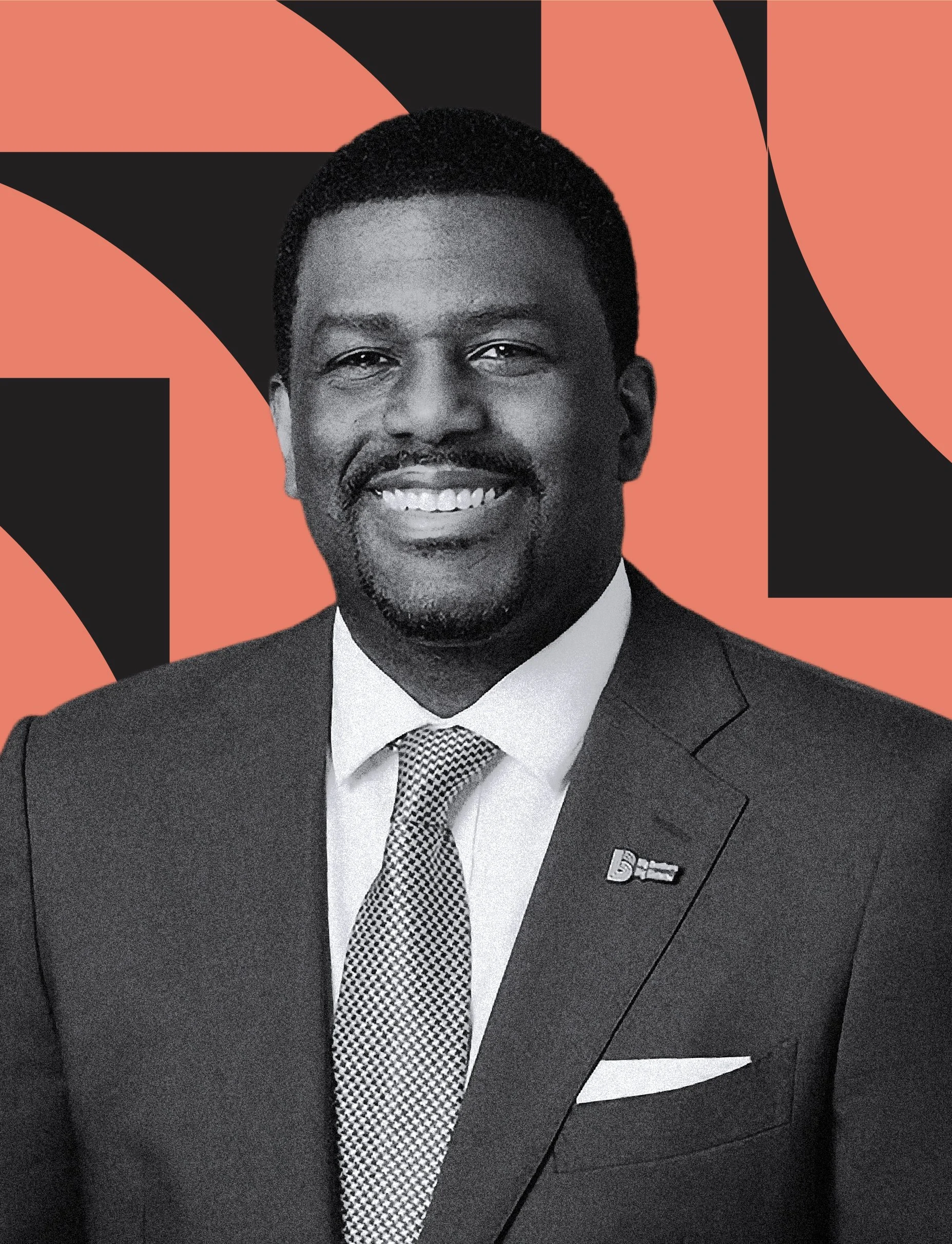
Artis Stevens
CEO, Big Brothers Big Sisters of America -
![A woman wearing a hijab and a black sweater with a white pattern stands against a geometric background of black and purple shapes.]()
THE ADVOCATE
Zarqa Yaftali
Founder and Chairperson, Women and Children Research and Advocacy Network -
![Black and white photos of two women smiling, set against a black background with a large gold cross behind them.]()
THE INNOVATOR
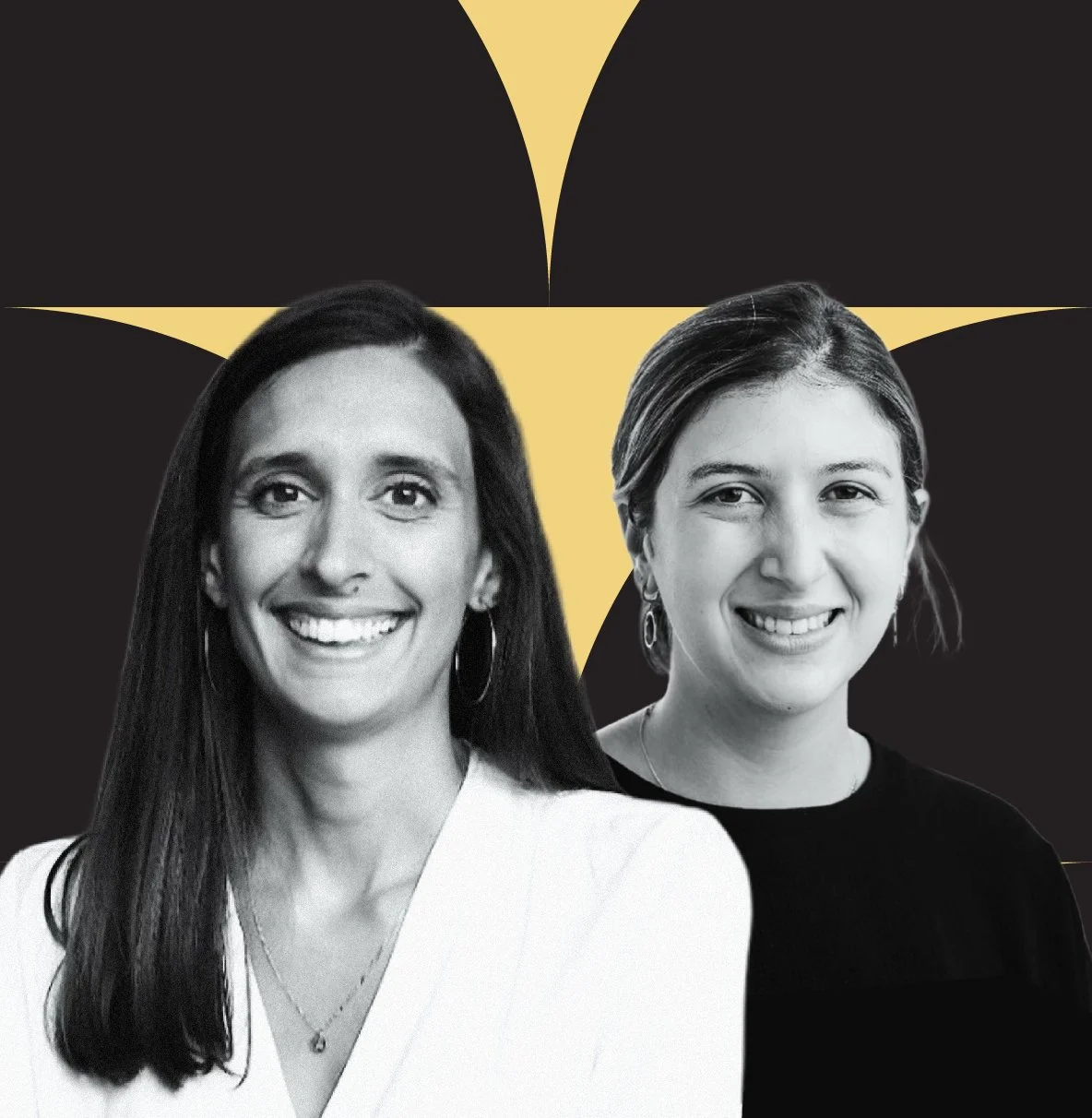
Sarah Alexander & Olivia Rosenthal
Co-Founders and Co-CEOs, Patch Caregiving -
![Close-up of a woman and a man smiling, black-and-white photos blended with a red and black geometric background.]()
THE CATALYST
Catherine Casey Nanda & Amon Anderson
Co-Founders and Managing Partners, Acumen America -
![Black man with dreadlocks and a beard, wearing a black sweater and a collared shirt, in front of a blue and black geometric patterned background.]()
The builder
Adair Mosley
CEO, GroundBreak Coalition -
![A woman with shoulder-length wavy hair, smiling, wearing a blazer and a necklace, against a geometric yellow and black background.]()
The mobilizer
Alexa Arnold
CEO & Co-Founder, The TAG Movement -
![A black-and-white portrait of a smiling man wearing glasses and a light-colored, textured sweater, set against a geometric background in purple and black.]()
The integrator
Sixto Cancel
Founder and CEO, Think of Us -
![Black and white portrait of a smiling woman with dark hair, wearing a blazer and white top, against a geometric coral and black patterned background.]()
The architect
Jennifer Blatz
CEO, StriveTogether -
![Black and white photo of a woman speaking at a conference or event, wearing a blazer and a t-shirt with partially visible text, with a graphic background featuring blue and black geometric shapes.]()
The storyteller
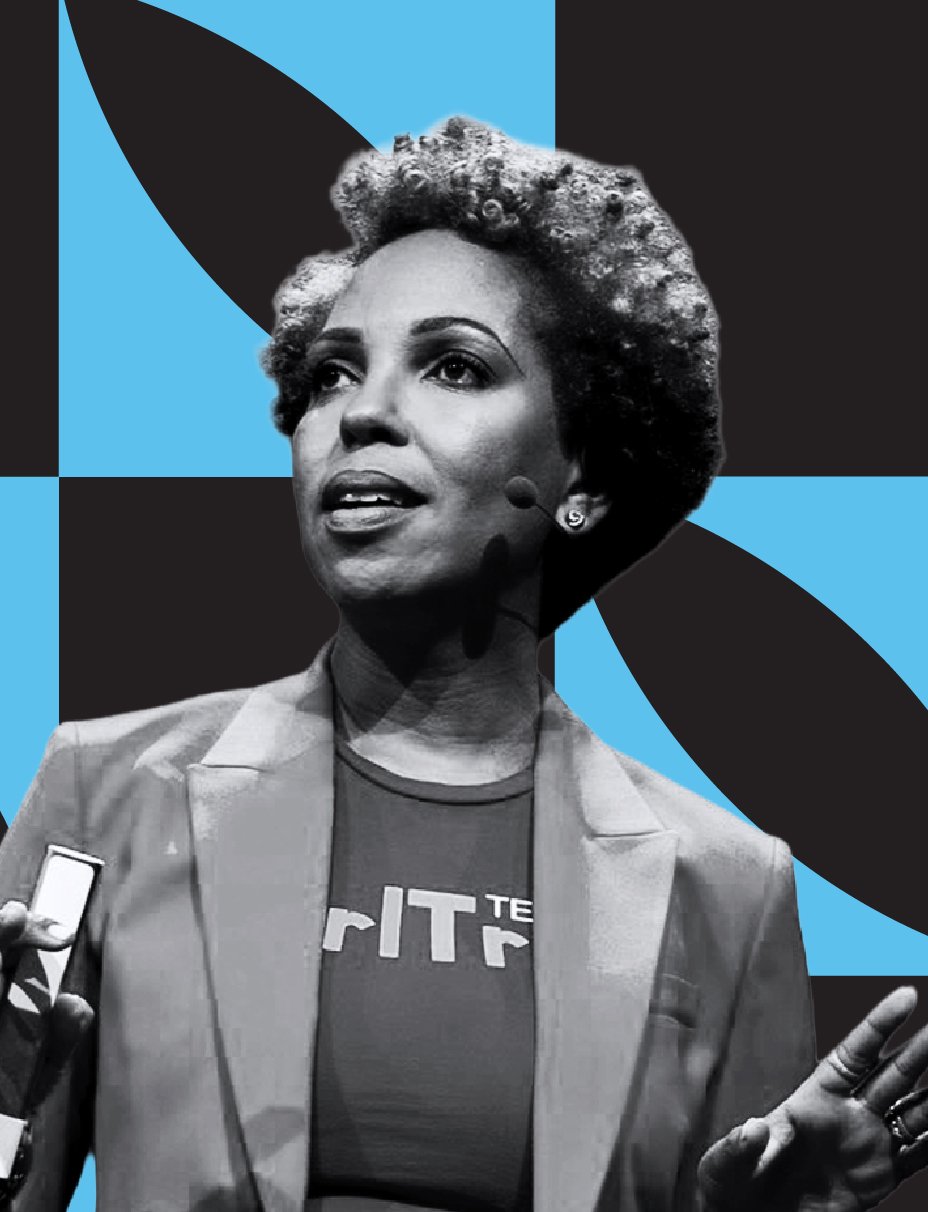
Vanessa Renae
Co-Founder and President, GirlTREK